Line editing services designed to help your voice shine.
If I’m doing my job right, my work will be invisible when we’re done. But no worries, we’ll know, and we’ll have fun in the comment boxes.
Start Here
Hi, Author!
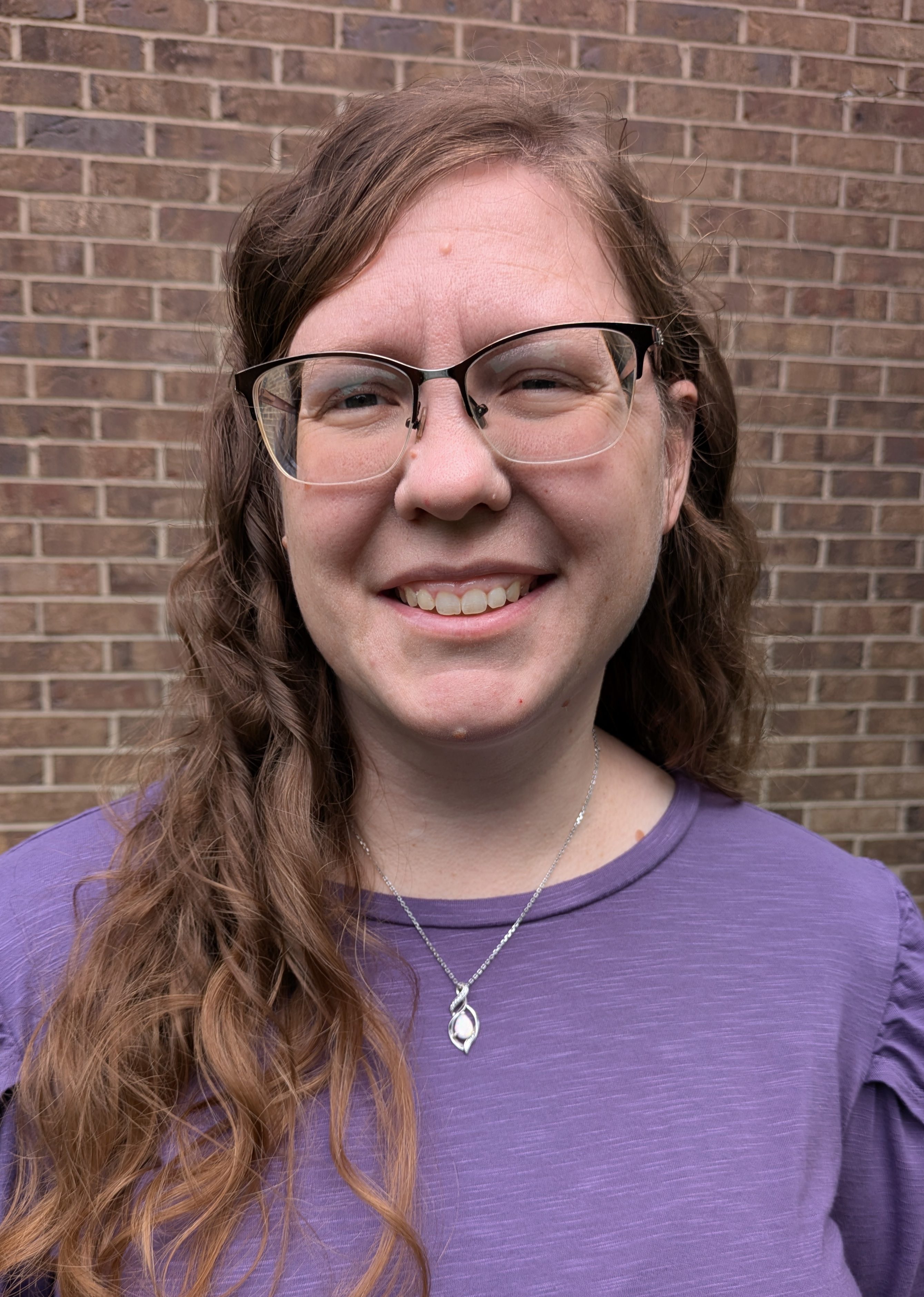
I’m Helen,
and I’m not a writer. I’m an editor.
I’ve been editing, well . . . since I was a kid.
Seriously, I was helping people finish their stories and get out of that corner they’d written themselves into when I was ten.
Of course, it took me a while to figure
out just how well that job fits me, to appreciate the difference between
writing and editing.
Writing is hard—that blank page.
The blinking cursor. Phew!
But give me someone else’s words, give me the pieces to play with and polish up, and I’m in love.
Happy Authors & Their Books
★★★★★
Author Name
Quote goes here.
Book Title
★★★★★
Author Name
Quote goes here.
Book Title
★★★★★
Author Name
Quote goes here. More quote lines as needed. The box will expand to make it fit, I’m sure.
Book Title
Frequently Asked Questions
How do I know if my manuscript is ready for a line edit?
Every project is different, but there are some common indicators that your manuscript might be ready for a line edit.
See if this describes you:
1. You’ve filled in all the big plot holes. (Yay!)
2. You’ve revised it yourself, and you’re happy with the overall shape of the story and characters. (Yay again!)
3. You’re wondering whether certain descriptions will make sense to the reader or if the conclusion to that emotional story arc will land the way you hope. (Getting an outside perspective can help you strengthen and polish.)
4. You know there’s a right way to use an em dash—hopefully without people thinking you’re AI—and that word for “really angry, but not angry enough to light everything on fire yet” is on the tip of your tongue. Both would be perfect for this scene, but you just can’t remember . . . (Line and copy edit can help you fine tune these things.)
How do I find the right editor for me?
In a word: Research!
Go check out the editor’s website and social media. Check out several different editors. Ask fellow authors for recommendations. And find those free sample edits!
Many editors will edit a set number of words for free, just to give you a feel for how they edit and show you how the process might look. (Full disclosure, it also gives the editor a taste of your writing style and how much work there is to do.)
This is also a great way to see if the two of you click personality-wise.
What are tracked changes?
Like many editors, I used Microsoft Word with “track changes” toggled ON.
This feature allows you to see the original manuscript plus all the changes the editor makes along the way.
Did I delete a comma? You can see that.
Did I add a dialogue tag? You can see that.
Did I move a sentence to another location for better flow? You can see that too!
And as the author, you can choose whether to accept or reject any change that has been made with just a few clicks.
Then, of course, there are also the comment boxes for longer explanations, questions, comments, suggestions, (or just letting you know when something made me laugh).
They can be read along the margin of the manuscript or in a separate window.
They can also be clicked on and deleted after you’re done with the information.
Why do I keep seeing “TFS” in the comment boxes?
TFS stands for Try For Size.
I started using this little initialism . . . long enough ago that I no longer remember.
I try to remember to write it out the long way the first few times I use it in your manuscript. “Try for Size (TFS): comment, comment, comment stuff.” But by the time I get to chapter 7, I’m totally just typing “TFS: my suggestion for whatever it is.”
Usually this is an indicator that my comment is a suggestion, maybe an opinion, or a rephrasing you can play with further. It’s not a matter of something being strictly right or wrong.
What is a style sheet?
Your completed line/copy edit will be accompanied by a style sheet.
This is a separate document full of information about and unique to your manuscript—things you can’t just google.
A style sheet typically contains sections for
- Characters and their descriptions
- Important locations within the story
- Timeline (if needed)
- Key worldbuilding details
- Unique original terms and their meanings
- “Grammar Geek” stuff like specific capitalization, punctuation, spelling, or word choice rules you want to keep consistent
It won’t cover EVERYTHING, but It can help you keep track of important details and help inform any future edits or revisions.
Do you offer payment plans?
I currently do not offer payment plans.
For a line/copy edit I will bill you for half the fee at the beginning of the project and the other half at the end of the project. (Typically done via PayPal.)
Back cover blurbs are billed all at once at the beginning of the project.
And sample edits are free.
Hopefully the turnaround time is quick enough that an extended payment plan just wouldn’t make sense anyway.
You are always welcome to email me about your unique situation, though!
 Comment Boxes Editing